Frisco fence guide
Before You Replace Your Fence in Frisco: A Homeowner Checklist
Ten things to sort out before a new fence goes up in Frisco, from property lines and HOA approval to post depth, gates and what happens on install day.
Find your property line first
A fence that strays a few inches onto a neighbor’s lot can turn into a real headache when either house sells. Pull out the survey from your closing papers, or look for the metal pins at your lot corners. If you can’t find either and the line is close, a new survey costs far less than moving a fence later.
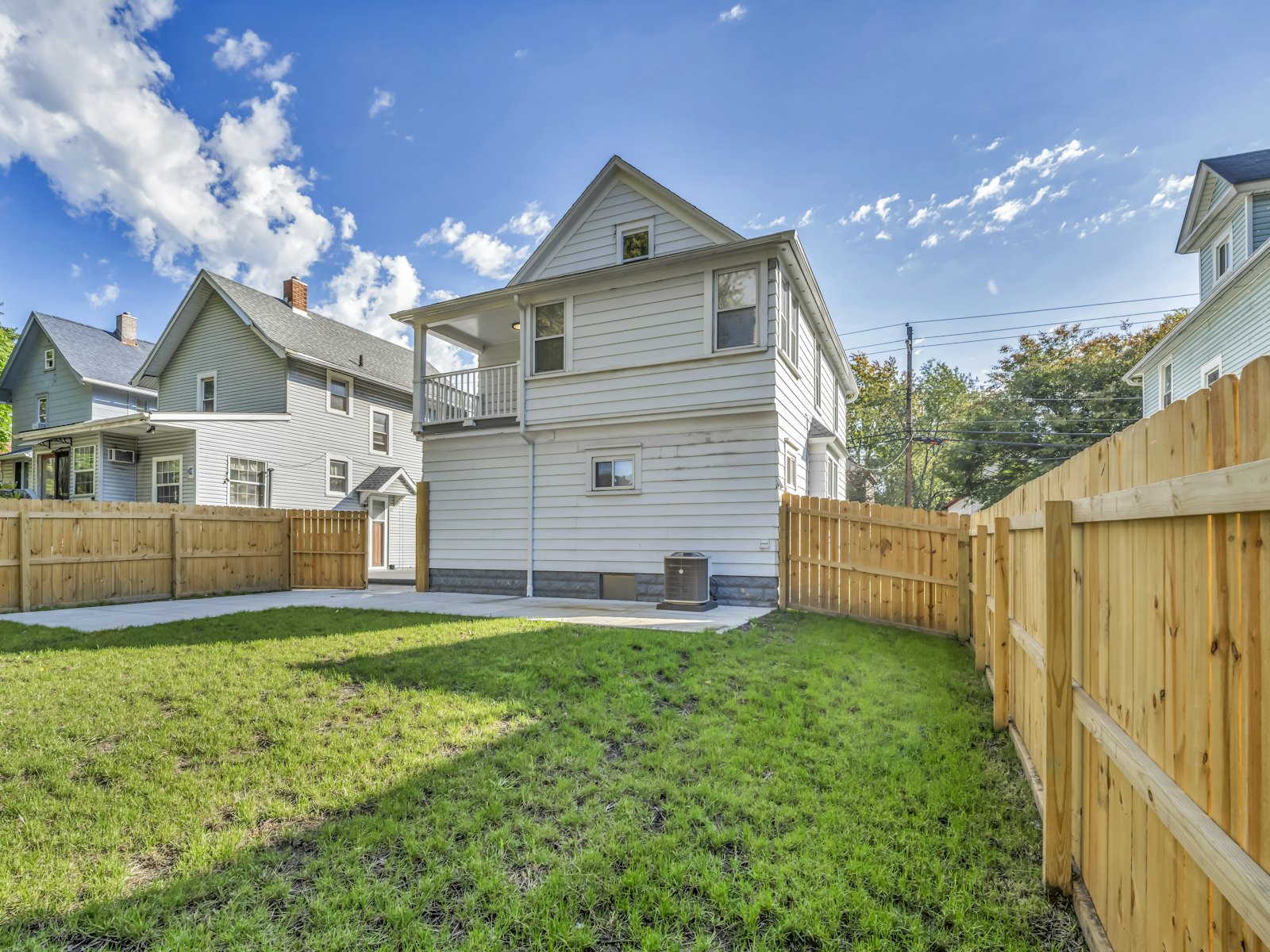
Check your HOA rules
Most Frisco neighborhoods have an HOA with rules on height, style, stain color and which side of the fence faces the street. Approval can take a few weeks, so send your plan in early with a sketch, the style and the color. Our permit and HOA guide walks through it.
Ask about the city permit
The City of Frisco has its own rules for fences, including height limits and where fences can sit near streets, alleys and corners. Ask your installer whether your job needs a permit and who pulls it. Many installers handle it as part of the job.
Get utilities marked
Post holes go two to three feet down, right where cable, gas and irrigation lines like to run. A free Texas 811 request gets public lines marked before anyone digs. Sprinkler lines aren’t covered, so point out your sprinkler heads and valve boxes on the day.
Talk to your neighbors
If the fence runs along a shared line, talk before you sign anything. Agree on height, style, which side faces out and how the cost splits. A neighbor who knows the plan is also more likely to keep dogs inside and move things away from the fence line on install day.
Pick a style and height
- Side by side: pickets butt together. Lowest cost, small gaps open as wood dries.
- Board on board: pickets overlap so there are no gaps, even after shrinking. More wood, more privacy.
- Horizontal: boards run sideways for a modern look. Often needs closer post spacing.
- Top cap and trim: a flat board along the top and a trim strip below it. Sheds water off the picket tops and looks finished.
- Height: six feet is standard for backyards. Eight feet is common along busy roads and two-story neighbors, where rules allow it.
Ask about posts
Posts decide how long a fence stands straight. North Texas clay swells when it’s wet and shrinks in summer, which pushes posts around. Ask what posts the quote uses (galvanized steel or wood), how deep they go and how much concrete each one gets.
Plan your gates
Measure what has to pass through. A walk gate around four feet wide fits a mower and wheelbarrow. A boat, trailer or truck needs a double drive gate. Steel frames and good hinges keep wide wood gates from sagging. See gate repair if an old one already drags.
What install day looks like
Most backyard fences take one to three days. The crew pulls the old fence, sets posts in concrete and lets them firm up, then hangs rails, pickets, trim and gates. Keep pets inside, move patio furniture away from the line and expect a gap in the fence for a day or so.
After it’s up
Walk the line with the installer before they leave. Check that gates swing and latch, posts are plumb and the old fence is gone. Keep the quote, any warranty paper and the HOA approval together. Plan to stain once the wood has dried out.
More guides
- How much does a fence cost in Frisco?
- Frisco fence permits and HOA rules
- How often should you stain a fence in North Texas?
- Wood vs iron fence: which lasts longer?